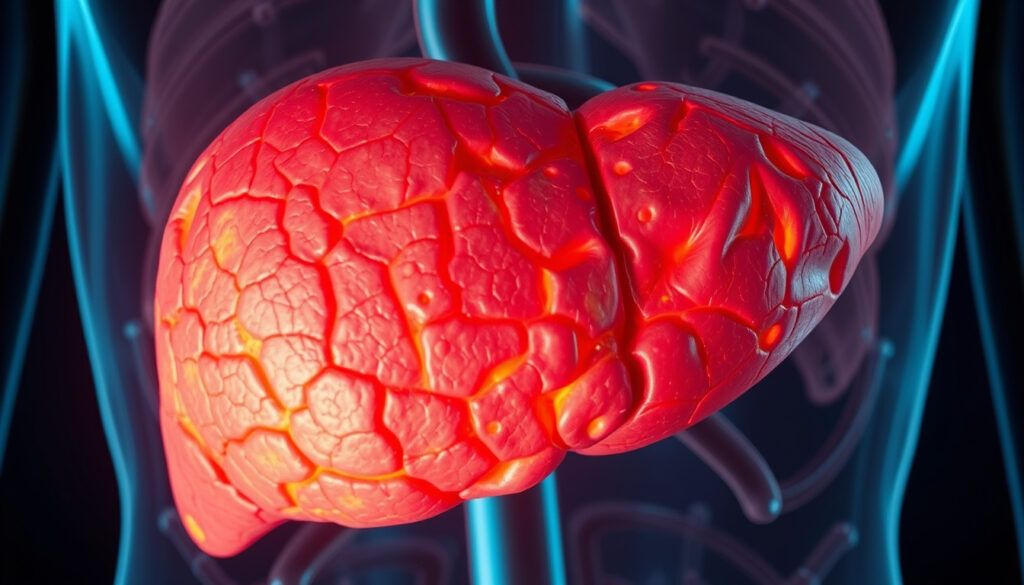
Cirrhosis of the Liver – Symptoms, Causes, Stages, Treatment
Cirrhosis of the liver represents a serious health condition characterized by permanent scarring of liver tissue that progressively impairs the organ’s ability to function. This late-stage form of liver damage develops over years or decades as healthy cells are replaced by fibrous scar tissue, ultimately compromising the liver’s essential metabolic, synthetic, and detoxification roles. Understanding the symptoms, causes, treatment options, and prognosis associated with cirrhosis can help individuals recognize warning signs and seek appropriate medical care.
According to the Mayo Clinic, cirrhosis affects millions of people worldwide and represents a leading cause of liver-related illness and death. The condition can result from numerous underlying factors, including chronic alcohol consumption, viral infections, metabolic disorders, and autoimmune diseases. Early detection and intervention remain crucial for managing symptoms and slowing disease progression, particularly before the condition reaches advanced stages.
This comprehensive guide examines the key aspects of cirrhosis of the liver, from initial symptoms to treatment approaches and life expectancy considerations. Medical information presented here draws from established healthcare institutions and peer-reviewed sources to provide readers with accurate, evidence-based insights into this complex medical condition.
What Are the Symptoms of Cirrhosis of the Liver?
Permanent scarring of liver tissue that replaces healthy cells and impairs organ function
Chronic alcohol use, hepatitis B and C, non-alcoholic fatty liver disease
Fatigue, weakness, jaundice, ascites, spider angiomas, easy bruising
Cause management, symptom control, lifestyle changes, transplant evaluation
Early-Stage Symptoms
Early cirrhosis frequently presents with no noticeable symptoms, as the liver often compensates for existing damage while maintaining adequate function. This compensated phase can persist for years before signs become apparent, making regular medical evaluation essential for individuals at risk. The Cleveland Clinic notes that many patients remain unaware of their condition until significant scarring has already occurred.
When symptoms do emerge in early stages, they typically include persistent fatigue, unexplained weakness, and general tiredness that does not improve with rest. Loss of appetite, nausea, and unintended weight loss may accompany these nonspecific symptoms. Some individuals experience discomfort or mild pain in the upper right abdomen, where the liver is located.
Visible Physical Signs
As cirrhosis progresses, certain visible physical manifestations may develop. Spider angiomas—small, spider-like blood vessels visible on the skin—commonly appear on the face, chest, and shoulders. Palmar erythema, characterized by redness on the palms, particularly affects the thenar and hypothenar eminences.
Individuals with cirrhosis often experience easy bruising and prolonged bleeding due to impaired production of clotting factors by the damaged liver. Itchy skin, known as pruritus, may become bothersome and difficult to manage. These dermatological signs reflect the liver’s declining ability to process and eliminate toxins and metabolic byproducts from the bloodstream.
Advanced Complications
Jaundice represents one of the most recognizable signs of advanced liver disease, manifesting as yellowing of the skin and the whites of the eyes. This occurs when the liver fails to adequately process bilirubin, a yellow pigment produced during the breakdown of red blood cells. The American Liver Foundation reports that jaundice often indicates significant liver dysfunction requiring prompt medical attention.
Fluid accumulation represents a major complication of cirrhosis. Ascites develop when portal hypertension causes fluid to leak into the abdominal cavity, resulting in noticeable abdominal swelling. Peripheral edema, characterized by swelling in the legs and feet, similarly results from fluid retention caused by reduced albumin production and increased pressure in the portal vein system.
Key Insights on Symptoms
- Early cirrhosis often produces no symptoms, requiring vigilance in at-risk individuals
- Fatigue and weakness typically appear first as liver function declines
- Spider angiomas and palmar erythema provide visible evidence of circulatory changes
- Jaundice signals significant liver dysfunction and advanced disease
- Fluid accumulation (ascites and edema) indicates portal hypertension and decompensation
- Bruising and bleeding reflect impaired clotting factor production
- Severe itching results from bile salt deposition in the skin
| Aspect | Details |
|---|---|
| Primary Stages | 1 through 4, from compensated to decompensated disease |
| Earliest Warning Signs | Fatigue, weakness, loss of appetite |
| Visible Indicators | Spider angiomas, palmar erythema, jaundice |
| Fluid-Related Issues | Ascites, peripheral edema |
| Bleeding Tendency | Easy bruising, prolonged bleeding episodes |
| Neurological Impact | Confusion from hepatic encephalopathy |
If you experience persistent fatigue combined with yellowing of the skin or eyes, abdominal swelling, or easy bruising, consult a healthcare provider promptly. Early evaluation allows for cause identification and intervention before irreversible damage progresses further.
What Causes Cirrhosis of the Liver?
Cirrhosis develops through multiple pathophysiological pathways, all of which result in the common endpoint of extensive fibrotic scarring and nodule formation within the liver tissue. Understanding the underlying causes enables targeted prevention and treatment strategies. The Centers for Disease Control and Prevention emphasizes that many causes of cirrhosis are preventable through lifestyle modifications and appropriate medical management.
Alcohol-Related Liver Disease
Chronic heavy alcohol consumption remains one of the leading causes of cirrhosis worldwide. The World Health Organization reports that prolonged alcohol abuse causes progressive liver damage through fatty change, inflammation, and eventual fibrosis. Not everyone who drinks heavily develops cirrhosis, but the risk increases substantially with years of heavy consumption, particularly when intake exceeds recommended limits consistently.
Alcohol metabolism occurs primarily in the liver, where enzymes including alcohol dehydrogenase and aldehyde dehydrogenase process ethanol. This metabolic process generates toxic byproducts, including acetaldehyde, that directly damage liver cells. Over time, repeated injury triggers inflammatory responses and fibrogenic pathways that replace healthy parenchyma with scar tissue.
Viral Hepatitis
Chronic infection with hepatitis B or hepatitis C viruses represents another major cause of cirrhosis globally. Hepatitis B can be prevented through vaccination, while hepatitis C is curable with modern antiviral medications. However, according to information from the National Institutes of Health, individuals who develop chronic infection face substantial risk of progressive liver disease if left untreated.
Hepatitis B is treatable but not currently curable, requiring long-term antiviral therapy to suppress viral replication and reduce inflammation. Hepatitis C, conversely, can be eliminated using direct-acting antiviral agents with cure rates exceeding 95 percent. Both conditions benefit from early detection and treatment initiation before significant scarring has occurred.
Non-Alcoholic Fatty Liver Disease
Non-alcoholic fatty liver disease (NAFLD), now increasingly termed metabolic dysfunction-associated steatotic liver disease (MASLD), has emerged as a leading cause of chronic liver disease in developed nations. This condition develops when fat accumulates in liver cells in the absence of significant alcohol consumption, primarily driven by obesity, insulin resistance, and metabolic syndrome components.
The progression from simple steatosis to steatohepatitis (NASH) and eventually to fibrosis and cirrhosis occurs through inflammatory pathways activated by metabolic stress. Diabetes, elevated triglycerides, and visceral obesity significantly increase the likelihood of disease progression. Weight loss through dietary modification and increased physical activity represents the cornerstone of management for NAFLD-related cirrhosis.
Other Contributing Factors
Numerous additional conditions can cause or contribute to cirrhosis development. Autoimmune hepatitis results from immune-mediated attack on liver cells, leading to chronic inflammation and fibrosis. Genetic disorders including Wilson disease (copper accumulation) and hemochromatosis (iron overload) cause progressive liver damage through toxic metabolite accumulation.
Certain medications and toxins can injure the liver when exposure is prolonged or excessive. Particular concerns include methotrexate, amiodarone, and chronic use of medications containing high doses of acetaminophen. Cardiac cirrhosis may develop from chronic heart failure, when persistent congestion and reduced hepatic perfusion cause cellular injury over time.
Individuals may develop cirrhosis from more than one cause simultaneously. For example, someone with NAFLD who also consumes alcohol heavily faces compounded risk. Accurate diagnosis requires thorough evaluation to identify all contributing factors, as treatment must address each underlying cause for optimal outcomes.
What Is the Treatment for Cirrhosis of the Liver?
Treatment for cirrhosis focuses on managing underlying causes, slowing disease progression, preventing complications, and addressing symptoms when they occur. While established scarring cannot be reversed through current medical interventions, appropriate management can preserve remaining liver function and significantly improve quality of life. The National Institute of Diabetes and Digestive and Kidney Diseases emphasizes that treatment strategies must be individualized based on cause, disease stage, and associated complications.
Addressing Underlying Causes
The most critical aspect of cirrhosis treatment involves eliminating or controlling the underlying cause of liver injury. Complete alcohol abstinence is essential for individuals with alcohol-related cirrhosis, as continued drinking accelerates scarring and dramatically worsens prognosis. Abstinence allows some patients to achieve meaningful improvement in liver function, even after significant damage has occurred.
Antiviral medications effectively suppress hepatitis B replication and can cure hepatitis C, preventing further viral-related liver injury in affected individuals. Weight loss through calorie restriction and increased physical activity addresses the metabolic drivers of NAFLD, with studies demonstrating that losing more than 7-10 percent of body weight can reduce liver fat content and improve fibrosis scores in many patients.
Managing Complications
Portal hypertension, a hallmark complication of cirrhosis, requires specific therapeutic approaches. Beta-blockers such as propranolol and nadolol reduce portal pressure and help prevent bleeding from esophageal varices—dilated blood vessels that develop in the esophagus due to increased pressure. When variceal bleeding occurs, urgent interventions including endoscopic banding or sclerotherapy become necessary.
Ascites management typically begins with sodium restriction and diuretic therapy using medications such as spironolactone and furosemide. Large-volume paracentesis, involving needle drainage of accumulated fluid from the abdominal cavity, provides relief for patients with refractory ascites. For eligible candidates, transjugular intrahepatic portosystemic shunt (TIPS) procedures can reduce portal pressure and decrease fluid accumulation.
Hepatic encephalopathy, characterized by confusion, drowsiness, and personality changes resulting from toxin accumulation, requires treatment with lactulose and rifaximin. Lactulose works as a laxative while acidifying colonic contents to reduce ammonia absorption. Protein restriction, previously standard practice, has fallen out of favor, with current recommendations favoring adequate protein intake to prevent muscle wasting.
| Complication | Treatment Approaches |
|---|---|
| Portal Hypertension | Beta-blockers, endoscopic banding, sclerotherapy |
| Ascites | Diuretics, paracentesis, low-sodium diet, TIPS |
| Encephalopathy | Lactulose, rifaximin, adequate protein intake |
| Variceal Bleeding | Emergency banding, sclerotherapy, balloon tamponade |
| Hepatorenal Syndrome | Vasoconstrictors, dialysis, transplant evaluation |
| Liver Cancer | Screening, resection, ablation, transplant |
Lifestyle Modifications
Beyond pharmacological treatments, lifestyle changes play a vital role in managing cirrhosis. Complete avoidance of alcohol in all forms remains mandatory, as even modest alcohol consumption can precipitate further liver damage. Patients should avoid potentially hepatotoxic medications, including certain antibiotics and non-steroidal anti-inflammatory drugs, consulting healthcare providers before starting any new prescription or over-the-counter medication.
Dietary management focuses on adequate protein intake to maintain muscle mass while restricting sodium to minimize fluid retention. Small, frequent meals may help manage symptoms of reduced appetite and nausea. Vaccinations against hepatitis A, hepatitis B, influenza, and pneumococcal disease protect patients with cirrhosis from infections that could cause significant morbidity given their compromised immune function.
Liver transplantation represents the only curative option for end-stage cirrhosis. Evaluation for transplant candidacy should occur before patients become too ill to tolerate the procedure. Survival rates following transplant exceed 80 percent at one year for appropriately selected candidates, making this option a crucial consideration for those with advanced disease.
What Is Stage 4 Cirrhosis of the Liver?
Stage 4 cirrhosis, also termed end-stage liver disease (ESLD), represents the most severe manifestation of cirrhosis where widespread scarring has essentially destroyed the liver’s functional capacity. At this point, the liver can no longer maintain adequate metabolic, synthetic, and detoxification functions, leading to multi-organ complications and system-wide consequences. The University of California, San Francisco describes ESLD as a condition requiring intensive management focused on complications and transplant evaluation.
Clinical Features of End-Stage Disease
Patients with stage 4 cirrhosis typically present with multiple decompensating events occurring simultaneously or in rapid succession. Ascites becomes refractory to standard diuretic therapy, requiring repeated paracentesis procedures for symptomatic relief. Jaundice often intensifies as cholestasis worsens, with bilirubin levels climbing substantially above normal ranges. Hepatic encephalopathy may fluctuate between mild confusion and profound lethargy.
Gastrointestinal bleeding from esophageal and gastric varices presents as a life-threatening emergency in patients with ESLD. Hepatorenal syndrome, characterized by progressive kidney dysfunction driven by altered renal perfusion, develops in a significant proportion of patients with advanced disease. Recurrent bacterial infections, particularly spontaneous bacterial peritonitis, become increasingly common as immune function deteriorates and bacterial translocation across the damaged gut barrier increases.
Muscle Wasting and Nutritional Decline
Cachexia and muscle wasting represent hallmarks of end-stage cirrhosis, reflecting the profound metabolic alterations and anorexia that characterize this phase. Patients lose lean body mass despite adequate or even increased caloric intake, a phenomenon driven by hypermetabolism, insulin resistance, and inflammatory cytokine activation. This sarcopenia significantly impacts functional status, treatment tolerance, and overall survival.
Spider angiomas and palmar erythema, already present in earlier stages, often become more pronounced as systemic circulatory changes intensify. Peripheral edema, when combined with ascites, contributes to significant fluid overload and compromises respiratory function through diaphragmatic elevation. These physical changes reflect the severe hemodynamic disturbances that characterize decompensated cirrhosis.
Diagnostic Monitoring
Patients with stage 4 cirrhosis require intensive monitoring to detect and manage emerging complications promptly. Regular laboratory evaluation tracks liver function through bilirubin, albumin, and clotting studies, while kidney function assessment identifies early hepatorenal syndrome. Surveillance endoscopy identifies enlarging varices requiring prophylactic intervention, while abdominal imaging and alpha-fetoprotein testing screen for hepatocellular carcinoma.
The Model for End-Stage Liver Disease (MELD) score provides standardized assessment of disease severity using laboratory values for bilirubin, international normalized ratio (INR), and creatinine. This scoring system guides transplant priority allocation and predicts mortality risk, with higher scores indicating more severe disease and greater short-term mortality. MELD scores above 20 indicate substantially elevated risk requiring expedited transplant evaluation.
Family members and caregivers should understand warning signs of acute deterioration in patients with stage 4 cirrhosis. Sudden confusion or unusual drowsiness may indicate worsening hepatic encephalopathy. Vomiting blood or passing black, tarry stools suggest variceal bleeding requiring emergency care. Decreased urine output and swelling worsening despite diuretics may herald hepatorenal syndrome development.
What Is the Life Expectancy with Cirrhosis of the Liver?
Survival by Disease Stage
Life expectancy in cirrhosis varies substantially based on disease stage, underlying cause, occurrence of complications, and access to appropriate medical care. Patients with compensated cirrhosis—meaning the liver retains adequate function despite existing scarring—may live for many years with relatively good quality of life through appropriate management and monitoring. Studies suggest median survival for compensated cirrhosis patients exceeds 10-12 years in many cases.
Decompensated cirrhosis carries substantially worse prognosis, with median survival dropping to approximately 2-4 years without transplant consideration. Each major decompensating event—variceal bleeding, severe encephalopathy, hepatorenal syndrome—independently predicts worse outcomes. The PubMed database of medical research contains numerous studies examining prognostic factors and validated scoring systems for cirrhosis mortality prediction.
Factors Influencing Prognosis
The underlying cause of cirrhosis significantly impacts prognosis. Alcohol-related cirrhosis carries better outcomes when complete abstinence is maintained, with some patients achieving meaningful functional recovery. Viral hepatitis-related cirrhosis may stabilize with effective antiviral therapy. NAFLD-related cirrhosis prognosis relates closely to metabolic comorbidities and the ability to achieve weight loss and metabolic control.
Age at diagnosis, gender, and presence of other medical conditions modify individual prognosis. Younger patients generally tolerate complications better and respond more favorably to interventions. Women with cirrhosis may experience more rapid progression in some etiologies. Concurrent cardiovascular disease, diabetes, and kidney disease compound mortality risk beyond the liver disease itself.
End-Stage Survival Expectations
For patients with stage 4 cirrhosis, median survival without liver transplantation ranges from several months to a few years depending on complication severity. Those experiencing hepatorenal syndrome without transplant candidacy face particularly poor short-term outlook, with median survival often measured in weeks to months. Patients who develop recurrent variceal bleeding despite endoscopic therapy similarly face limited life expectancy without transplant intervention.
Transplant evaluation should occur well before patients become too decompensated to undergo surgery safely. Patients listed for transplant who maintain reasonable functional status and avoid ICU-level support before surgery achieve better post-transplant outcomes. Early transplant evaluation, while patients retain adequate reserve, provides the best opportunity for successful surgical outcomes.
Understanding Cirrhosis Progression
Cirrhosis typically develops gradually over years or decades, with the pace of progression depending on factors including cause, continued exposure to injurious agents, genetic predisposition, and environmental factors. Understanding this timeline helps patients and families anticipate likely future developments and prepare appropriately for evolving care needs.
- Initial Liver Injury — Chronic insult from alcohol, viruses, metabolic factors, or other causes begins damaging liver cells and triggering inflammatory responses.
- Fatty Accumulation and Inflammation — Fat accumulates within hepatocytes; inflammation develops around portal areas and central veins, a stage termed steatohepatitis.
- Early Fibrosis Formation — Activated hepatic stellate cells deposit collagen fibers, creating initial fibrotic bridges between portal areas.
- Established Fibrosis — Scar tissue expands and reorganizes, forming fibrous septa that divide liver architecture into nodules.
- Compensated Cirrhosis — Extensive scarring exists but remaining functional liver tissue maintains adequate metabolic, synthetic, and detoxification capacity.
- First Decompensating Event — Portal hypertension produces clinical complications such as varices, ascites, or encephalopathy, marking transition to decompensated disease.
- Recurrent Decompensation — Additional complications develop sequentially or simultaneously; functional decline accelerates despite optimal management.
- End-Stage Liver Disease — Multiple organ systems become involved; survival depends on transplant candidacy and availability.
Early intervention before extensive scarring develops offers the best opportunity to slow or potentially halt cirrhosis progression. Addressing modifiable risk factors—achieving sobriety, eradicating viral infections, losing weight—can significantly alter the disease trajectory even when some fibrosis has already occurred.
What Is Known and Unknown About Cirrhosis
| Established Understanding | Remaining Uncertainties |
|---|---|
| Cirrhosis causes irreversible scarring in the liver | Exact mechanisms of fibrogenesis at cellular level |
| Multiple causes including alcohol, viruses, and metabolic disease | Individual genetic susceptibility factors |
| Progression from compensated to decompensated stages | Precise timing of progression in specific patients |
| Transplant remains the only curative option | Methods to predict optimal transplant timing precisely |
| Complications can be managed but not always prevented | Optimal combination therapies for advanced disease |
| Complete abstinence from alcohol improves outcomes | Degree of functional recovery possible after cause removal |
The medical community has established understanding of cirrhosis pathophysiology, natural history, and management principles through decades of clinical research and observation. What remains less certain includes individual patient trajectories—some patients progress rapidly to decompensation while others maintain compensated disease for extended periods despite similar risk profiles.
While fibrosis once was considered permanent, emerging research suggests that limited regression may be possible in some circumstances with aggressive cause management and antifibrotic therapies currently under investigation. However, established cirrhosis with architectural distortion and nodule formation has not yet proven reversible with available treatments, making prevention and early intervention critically important.
The Growing Burden of Liver Disease
Cirrhosis represents a significant and growing burden on global healthcare systems. Changes in disease epidemiology, particularly the rising prevalence of non-alcoholic fatty liver disease driven by obesity and metabolic syndrome epidemics, suggest that cirrhosis incidence will continue increasing in coming decades. The Mayo Clinic notes that liver disease mortality has increased in many countries over recent decades after decades of decline.
Public health strategies focusing on alcohol consumption reduction, hepatitis screening and treatment, and metabolic disease management offer opportunities to reduce cirrhosis incidence. Population-level interventions including taxation policies for alcohol, vaccination programs for hepatitis B, and treatment access initiatives for hepatitis C can address major modifiable causes before cirrhosis develops.
At the individual level, understanding personal risk factors enables targeted prevention efforts. Regular medical evaluation allows early detection of liver disease before scarring becomes extensive. For those with established cirrhosis, adherence to recommended treatments and lifestyle modifications maximizes functional preservation and quality of life.
What Do Medical Authorities Say About Cirrhosis?
“Cirrhosis is a late-stage liver disease in which healthy liver tissue is replaced with scarred tissue, which blocks the flow of blood through the organ and eventually leads to liver failure.”
— Cleveland Clinic
“The liver is a resilient organ that can sometimes recover from damage, but when disease or injury overwhelms its regenerative capacity, cirrhosis develops.”
— American Liver Foundation
“There’s no cure for cirrhosis, but treating the cause will prevent further damage and help manage complications.”
— NHS Inform Scotland
Summary
Cirrhosis of the liver represents a serious medical condition characterized by permanent scarring that progressively impairs liver function. The condition develops from multiple causes including chronic alcohol consumption, viral hepatitis, and non-alcoholic fatty liver disease, with disease progression typically spanning years before significant symptoms emerge. Early recognition of symptoms enables timely intervention to address underlying causes and prevent complications, while advanced disease requires intensive management of decompensating events and consideration of liver transplantation.
Life expectancy varies dramatically based on disease stage, cause, and complication presence, with compensated cirrhosis patients achieving substantially longer survival than those with decompensated or end-stage disease. Prevention through lifestyle modification and appropriate medical management of underlying conditions remains the most effective strategy against cirrhosis development. For those affected, comprehensive care addressing medical, nutritional, and psychological needs optimizes outcomes and quality of life throughout the disease course. Early intervention and consistent medical follow-up remain essential for anyone diagnosed with or at risk for this progressive liver condition.
Understanding red light therapy benefits as a complementary approach, along with awareness of turkey tail mushroom benefits for liver support, may provide additional context for those exploring supportive therapies alongside conventional treatment.
Frequently Asked Questions
Can cirrhosis of the liver be cured?
Cirrhosis cannot be reversed with current medical treatments. The scarring that characterizes cirrhosis is permanent. However, addressing the underlying cause can prevent further damage and, in some cases, improve liver function. Liver transplantation offers the only potential cure but is reserved for eligible candidates with end-stage disease.
What are the first signs that cirrhosis is getting worse?
Signs of progression include worsening fatigue, increased abdominal swelling from ascites, new or worsening leg swelling, confusion or difficulty concentrating indicating hepatic encephalopathy, and yellowing of the skin or eyes from jaundice. Any of these developments warrant prompt medical evaluation.
How long can someone live with stage 4 cirrhosis?
Median survival for stage 4 cirrhosis without transplantation ranges from months to a few years depending on complications and overall health. Patients who qualify for and receive liver transplants can achieve substantially longer survival, often exceeding ten years with good post-transplant care.
Can non-drinkers develop cirrhosis?
Yes, non-alcoholic fatty liver disease represents a major cause of cirrhosis in people who do not drink alcohol. Viral hepatitis, autoimmune liver disease, genetic conditions like hemochromatosis and Wilson disease, and certain medications can also cause cirrhosis in non-drinkers.
What foods should be avoided with cirrhosis?
Patients with cirrhosis should avoid alcohol completely and typically need to restrict sodium intake to manage fluid retention. Processed foods high in sodium, raw shellfish (due to infection risk), and excessive fatty foods may be problematic. Protein needs to be adequate to prevent muscle wasting, so individual recommendations should come from a healthcare provider.
Is cirrhosis always caused by drinking too much alcohol?
No, while alcohol is a common cause, cirrhosis can result from many conditions including chronic viral hepatitis, non-alcoholic fatty liver disease, autoimmune hepatitis, inherited metabolic disorders, and chronic heart failure. Many patients with cirrhosis have multiple contributing factors.
Does cirrhosis cause pain?
Some patients with cirrhosis experience discomfort in the upper right abdomen where the liver is located. Pain may result from liver enlargement, stretching of the liver capsule, or complications like gallstones. Severe pain is not typical of cirrhosis itself and should prompt evaluation for other causes.
Can exercise help someone with cirrhosis?
Appropriate exercise can benefit patients with compensated cirrhosis, helping maintain muscle mass and functional capacity. Activities should be tailored to individual tolerance and disease stage. Patients with advanced disease, ascites, or significant weakness should consult their healthcare team before beginning an exercise program.
More related posts
 M&S Food – Premium Quality, Delivery and Top Products
 U ed Electric Car for Sale – Be t UK Model Under £5,000
 Sonic X Shadow Generations – Platforms DLC and Rating Guide
 Festival of Speed 2025 – Schedule, Drivers and Highlights
 Manchester United vs Burnley – Head-to-Head Record and Results (2025)
 Cast of Bond 25 – Stars Roles and Key Details
 Rangers F.C. vs K.R.C. Genk Timeline – Head-to-Head Record and Stats
