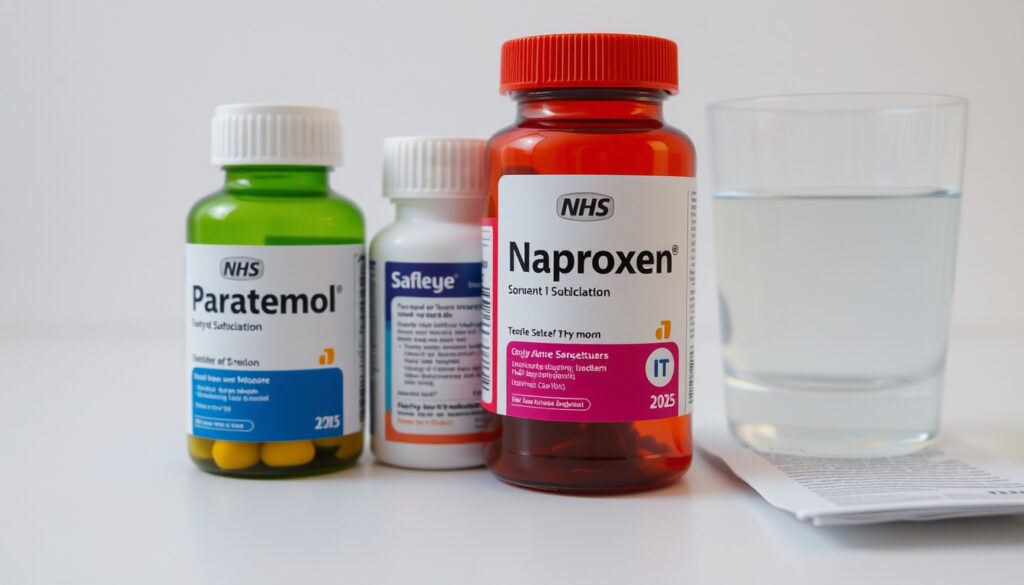
Can You Take Paracetamol With Naproxen – NHS Safety Guide and Dosage Tips
When pain strikes, many people reach for more than one medicine at a time hoping for faster or stronger relief. A common question is whether paracetamol and naproxen can be taken together safely. Both are widely available over the counter or on prescription, but they belong to different drug families and the rules for combining them are not always obvious.
The short answer is that for most people, taking paracetamol with naproxen is considered safe for short-term use. The two medications work through different mechanisms and do not have a direct negative interaction. However, there are important limits to understand, particularly around dosage, duration, and which other painkillers you add into the mix.
This article draws on official NHS guidance and hospital pain relief leaflets to give you a clear, fact-based picture of what is known, what remains uncertain, and what you should discuss with a doctor or pharmacist before combining these medicines.
Is it safe to take paracetamol and naproxen together?
Yes, according to the NHS, it is safe to take naproxen with paracetamol or co-codamol bought over the counter, provided you follow the dosage instructions and only do so for short periods. No direct drug-drug interaction exists between the two.
| Question | Answer | Source Confidence |
|---|---|---|
| Is it safe to take together? | Yes, for short-term use. | High (NHS) |
| Can I add codeine? | Yes, with medical supervision. | High (NHS) |
| Can I take with ibuprofen? | No – NSAID double dose risk. | High (NHS) |
| What about diazepam or amitriptyline? | No known interaction, but consult doctor. | Medium (lack of official guidance) |
Key insights about the combination
- Paracetamol and naproxen work via different pathways, making them a safe short-term pain relief combination. The NHS explicitly states it is OK for short periods.
- The combination with codeine (co-codamol) is often recommended post-operatively for moderate-to-severe pain, as noted in WWL NHS Trust leaflets.
- Combining naproxen with another NSAID like ibuprofen is dangerous due to cumulative side effects such as stomach bleeding and kidney damage.
- For patients with a history of stomach ulcers, paracetamol alone is preferred over naproxen because it is gentler on the stomach, according to NHS common questions about naproxen.
- Never exceed the maximum daily dose of either drug. Paracetamol overdose can cause serious liver injury.
- Naproxen should be taken with food to reduce stomach irritation.
- If pain lasts longer than a few days, a medical review is advised rather than continuing the combination unsupervised.
Quick facts about paracetamol and naproxen
| Fact | Detail |
|---|---|
| Drug class | Naproxen is an NSAID; paracetamol is an analgesic/antipyretic. |
| Direct interaction | No direct drug-drug interaction between naproxen and paracetamol. |
| NHS position | OK to take together for short periods. |
| Paracetamol max dose | Up to 2 tablets (500 mg each) every 4–6 hours; maximum 8 tablets in 24 hours. |
| Naproxen max dose (example) | 1–2 tablets every 12 hours; maximum 4 tablets in 24 hours in some guidance; up to 1000 mg/day in others. |
| NSAID duplication | Do not combine naproxen with ibuprofen, aspirin, or diclofenac. |
| Food requirement | Naproxen should be taken with food to lower stomach upset risk. |
| Paracetamol overdose risk | Liver damage possible above 4 g per day in adults. |
| Codeine side effects | Can cause drowsiness and constipation; avoid alcohol. |
| Stomach ulcer history | Choose paracetamol over naproxen if you have had a stomach ulcer. |
Can you take paracetamol with naproxen and other painkillers like codeine or ibuprofen?
Adding a third painkiller to the mix requires care. The answer depends entirely on which drug you are considering.
Paracetamol, naproxen, and codeine
According to NHS guidance, paracetamol, naproxen, and codeine can be taken together for short-term pain relief, for instance after surgery. Codeine is an opioid that provides additional pain relief when paracetamol and naproxen alone are not enough. The WWL NHS Trust leaflet lists this combination as acceptable. However, you must avoid taking other medicines that contain codeine or dihydrocodeine at the same time, as this can lead to accidental overdose.
Ibuprofen and naproxen together
Do not take ibuprofen with naproxen. Both are NSAIDs, and combining them raises the risk of side effects such as stomach pain, gastrointestinal bleeding, and kidney damage. The NHS warns that ibuprofen and codeine should not be taken with extra ibuprofen, aspirin, or naproxen.
Never combine naproxen with any other NSAID, including ibuprofen, aspirin, or diclofenac. Doing so significantly increases the risk of serious gastrointestinal and renal side effects. If you need additional pain relief beyond paracetamol and naproxen, consult a doctor before adding any new medicine.
Can you take paracetamol with naproxen and other medications such as diazepam or amitriptyline?
People taking medications for anxiety, sleep, or depression often wonder whether their usual drugs interact with painkillers. For diazepam and amitriptyline, the picture is reassuring but not completely settled.
Naproxen with diazepam
There are no known serious interactions between naproxen or paracetamol and diazepam, a benzodiazepine used for anxiety and muscle spasm. Both drugs can cause drowsiness, so caution is advised when driving or operating machinery. No formal interaction studies are available, but clinical experience suggests the combination is safe when used as directed.
Naproxen with amitriptyline
Amitriptyline, a tricyclic antidepressant sometimes prescribed for nerve pain, does not have a known direct drug-drug interaction with naproxen or paracetamol. However, additive side effects such as dizziness, dry mouth, and constipation are possible, especially in older adults. The Gloucestershire Hospitals NHS leaflet advises reviewing all medications with a doctor if you take antidepressants alongside pain relief.
The NHS advises that if you take blood thinners (warfarin), steroids, diuretics, heart medicines, antidepressants, or methotrexate, you should talk to a doctor before taking naproxen. For herbal and complementary medicines, the NHS notes there is not enough information to confirm safety with naproxen or ibuprofen-codeine products.
What can you take with naproxen for pain relief?
If you are already taking naproxen and need more pain control, several options are considered acceptable. Others must be avoided.
Safe combinations with naproxen
- Paracetamol – safe for short-term use according to the NHS.
- Co-codamol (paracetamol plus codeine) – suitable for moderate pain under medical supervision.
- Topical creams such as ibuprofen gel – these are applied to the skin and do not carry the same internal NSAID risk.
- Weak opioids like codeine – only with a doctor’s guidance and for limited periods.
What NOT to take with naproxen
Avoid other NSAIDs (ibuprofen, aspirin, diclofenac), blood thinners unless prescribed by a doctor who knows you are on naproxen, and alcohol, which increases stomach irritation. The NHS also advises against taking two products that contain the same active ingredient, such as paracetamol in multiple medicines or codeine in multiple products.
If you buy over-the-counter medicines, check the label for hidden ingredients. Many cold and flu remedies contain paracetamol, and some contain ibuprofen or codeine. Taking one of these alongside separate naproxen or paracetamol tablets can accidentally push you over the safe daily limit.
How long can you safely take paracetamol with naproxen?
Duration matters as much as dosage. The NHS and hospital leaflets provide typical timeframes for safe use.
- Short-term (1–3 days): Safe for acute pain such as headache, toothache, or post-procedure discomfort. Most people can take the combination for this period without issue.
- Medium-term (3–5 days): Side effects should be monitored. If pain persists beyond three days, consult a doctor rather than continuing without advice.
- Long-term (over 5 days): Not recommended without medical supervision. Prolonged NSAID use increases the risk of stomach ulcers, kidney problems, and cardiovascular events. Paracetamol use beyond a few days should also be reviewed.
The East and North Hertfordshire NHS Trust leaflet recommends that if you need pain relief for more than a few days, you should see your GP rather than self-managing with over-the-counter medicines.
What is known and what remains unclear about this combination?
While the core question has a clear answer, some aspects of combining paracetamol and naproxen are better understood than others.
| Established information | Information that remains unclear |
|---|---|
| Paracetamol and naproxen can be taken together safely short-term. | Long-term safety of the combination has not been formally established in clinical trials. |
| Do not combine naproxen with ibuprofen or aspirin. | Interaction with diazepam or amitriptyline is not formally studied; current advice is based on lack of known interactions. |
| NHS and other official sources confirm safety for short-term use. | Optimal dosing schedule (e.g., taking them at the same time or staggered) lacks specific guidance from official sources. |
| Maximum daily doses are clearly defined for each drug. | Safety of combining naproxen with many herbal and complementary medicines is not confirmed. |
How do naproxen and paracetamol compare as pain relievers?
Understanding how these two drugs work helps explain why they can be used together. Naproxen belongs to a class called non-steroidal anti-inflammatory drugs (NSAIDs). It works by blocking cyclooxygenase (COX) enzymes, which reduces the production of prostaglandins – chemicals that cause inflammation, pain, and fever. This makes naproxen particularly effective for inflammatory conditions such as arthritis, muscle injuries, and dental pain.
Paracetamol, by contrast, acts primarily on pain pathways in the central nervous system and has only weak anti-inflammatory effects. Its exact mechanism is still not fully understood, but it is known to inhibit COX enzymes in the brain in a different way from NSAIDs. This complementary action means that when taken together, the two drugs can provide broader pain relief without competing for the same biological pathways.
The main benefit of combining them is enhanced pain relief without a significant increase in side effects, provided doses are not exceeded. The main risk comes from the NSAID component, naproxen, which can cause gastrointestinal and renal issues with prolonged use, and from paracetamol, which can cause liver damage in overdose.
What does the NHS say about taking naproxen with paracetamol?
Official NHS sources provide the most authoritative guidance on this topic. The key statements are worth quoting directly.
“It’s OK to take naproxen with paracetamol or co-codamol that you buy over the counter. This should just be for short periods of time.”
— NHS website, Taking naproxen with other medicines
“If you’re prone to stomach ulcers or have had one before, take paracetamol instead of naproxen as it’s gentler on your stomach.”
— NHS, Common questions about naproxen
“Yes, you can take naproxen and paracetamol together safely. Because they belong to different drug classes and work in different ways, they can be taken together.”
— e-surgery.com (registered pharmacy)
The NHS also highlights that naproxen should be reviewed with a doctor if you take blood thinners, steroids, diuretics, heart medicines, antidepressants, or methotrexate. The patient.info interaction check confirms there is no known interaction between naproxen and paracetamol, but advises checking with a pharmacist if you have any underlying health conditions.
Key takeaways for combining paracetamol and naproxen
Paracetamol and naproxen can be taken together for short-term pain relief under the guidance of the NHS and multiple hospital trusts. The combination is safe when you respect the maximum daily doses of each drug, avoid adding other NSAIDs like ibuprofen, and limit use to a few days unless a doctor advises otherwise. If you have a history of stomach ulcers, kidney disease, or take other medications such as blood thinners or antidepressants, speak to a healthcare professional before starting this combination. For related health information, you may also find our article on Why Is My Poop Green – Causes and When to See a Doctor useful for understanding digestive symptoms, or Cirrhosis of the Liver – Symptoms, Causes, Stages, Treatment for information on liver health, which is relevant when taking paracetamol.
Frequently asked questions about paracetamol and naproxen
Can you take paracetamol with naproxen 500 mg?
Yes, the dosage form (500 mg versus 250 mg) does not change the safety profile; the same precautions apply. Always follow the recommended dose for each medicine.
Can you take paracetamol with naproxen 250 mg?
Yes, it is safe. A 250 mg dose is a lower strength of naproxen, but you should still not exceed the total daily limit, typically 500–1000 mg per day depending on the formulation.
Can you take ibuprofen and paracetamol together?
Yes, ibuprofen and paracetamol can be taken together safely for short-term pain relief. They work through different mechanisms. However, do not take ibuprofen with naproxen.
What is the best time to take naproxen and paracetamol?
You can take them at the same time or stagger them by an hour or two if you prefer. There is no known interaction affecting timing.
Can you take paracetamol with naproxen and codeine?
Yes, this three-drug combination can be taken short-term under medical supervision, for example after surgery. Avoid taking extra codeine-containing products at the same time.
Can you take naproxen with paracetamol if you have high blood pressure?
Naproxen can raise blood pressure in some people. If you have high blood pressure, consult your doctor before taking naproxen, especially with other medications.
Can you drink alcohol while taking naproxen and paracetamol?
Alcohol increases the risk of stomach bleeding from naproxen and liver strain from paracetamol. It is best to avoid alcohol or limit it significantly while taking this combination.
Can you take naproxen and paracetamol long-term?
Long-term use is not recommended without medical supervision. Prolonged NSAID use increases the risk of stomach ulcers and kidney problems, while long-term paracetamol use should also be monitored.
What should you do if you miss a dose of naproxen or paracetamol?
Take the missed dose as soon as you remember unless it is nearly time for your next dose. Do not take a double dose to catch up.
Can you give paracetamol and naproxen to children?
Naproxen is not recommended for children unless prescribed by a doctor. Paracetamol can be given to children at the correct weight-based dose. Always check with a pharmacist or GP.
More related posts
 Red Light Therapy Benefits – Evidence From NASA and Clinics
 Anna Frozen – Complete Character Guide, Age, Actress and Frozen 3 News
 DWP Cost of Living Payment 2025 May – Facts and Alternatives
 Arsenal F.C. vs Bayern Munich Standings – Full UCL Head-to-Head
 Cast of Just Good Friends – Full List, Seasons and Actors Now
 Price of Gold Per Gram UK – Live Rates and Charts
 London to Hong Kong – Flight Time, Airlines and Tips
 Property for Sale London – Prices, Best Areas and 2026 Guide
