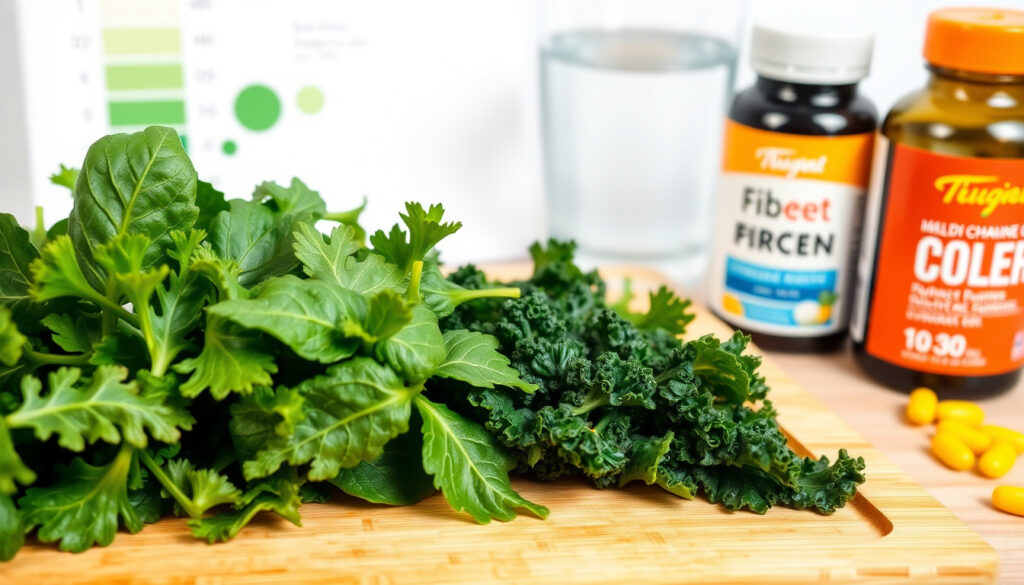
Why Is My Poop Green – Causes and When to See a Doctor
Seeing green in the toilet bowl can be startling, but it is usually harmless. Stool gets its brown color from bile, a yellow-green fluid made by the liver, after gut bacteria process it. When that process is disrupted—by diet, rapid digestion, or medication—the green tint remains. Most cases resolve on their own within days.
Green poop is one of the most common digestive concerns that prompt online searches. While almost always benign, it can cause needless worry. Understanding the difference between everyday causes and those that require medical attention helps people self-monitor without panic.
What Causes Green Poop?
- Green poop is most often harmless and temporary; it usually resolves on its own within a few days.
- The most common cause is diet – either green vegetables or artificial coloring in foods and drinks.
- Diarrhea speeds up digestion, preventing bile from turning brown, leading to green stool.
- Persistent green stool (over one week) without dietary cause may indicate an underlying issue like infection or malabsorption.
- Green stool alone is rarely a sign of cancer; look for red flags like blood, weight loss, or severe pain.
- Antibiotics can alter gut bacteria and bile processing, resulting in green stool for a few days.
Green Poop at a Glance
| Characteristic | Detail |
|---|---|
| Common causes | Green vegetables, food dyes, diarrhea, antibiotics, iron supplements |
| Typical duration | 1–3 days; up to a week if diarrhea persists |
| When to worry | Accompanied by severe pain, blood, fever, weight loss, or lasting >1 week |
| Cancer risk | Extremely low; green stool alone is not a sign of colon cancer |
| Self-care | Hydrate, review diet, avoid trigger foods; probiotics may help after antibiotics |
Is Green Poop Dangerous? When to Worry
Most green stools are benign, but certain accompanying symptoms warrant medical evaluation. The Mayo Clinic explains that green stool often occurs with diarrhea, when food moves through the large intestine too quickly for bile to break down completely.
Serious causes like infection or gallbladder issues are uncommon. The Cleveland Clinic notes that greenish stool can indicate a bacterial infection (salmonella, E. coli), viral infection (norovirus), or a parasite (Giardia), but these typically produce other symptoms first.
Red Flags That Require Medical Attention
- Severe abdominal pain or cramping
- Fever above 101°F (38.3°C)
- Blood in stool or black, tarry stool
- Persistent diarrhea leading to dehydration
- Unintentional weight loss
- New constipation or change in bowel habits lasting more than a few days
If green stool is accompanied by bloody or jet-black stool, pale or clay-colored poop, jaundice, or signs of severe dehydration (dry mouth, dizziness, little urine), seek medical help immediately. These could indicate a bile duct blockage or liver problem.
Why Is My Poop Green and Watery?
Watery green stool typically results from rapid intestinal transit. When diarrhea occurs, food and bile pass through the colon so quickly that bacteria do not have time to convert bile to brown pigment. This is common in viral gastroenteritis (stomach flu) and food poisoning.
The National Institute of Diabetes and Digestive and Kidney Diseases identifies infections as a primary cause of acute diarrhea. Green watery stool may also follow a high-fat meal, which stimulates extra bile release.
Stomach Pain and Green Diarrhea
When green poop comes with stomach cramps, nausea, or bloating, an infection like Giardia may be responsible. Giardia often causes explosive, foul-smelling green diarrhea with greasy, floating stools. Other infections produce similar symptoms, but green stool alone is not diagnostic.
If green watery diarrhea lasts more than three days or is accompanied by a fever over 102°F (39°C), blood in stool, or signs of dehydration, contact a healthcare provider. Most cases resolve within 24 to 72 hours with rest and hydration.
Why Is My Poop Green for Several Days?
The duration of green poop depends on the cause. Dietary causes typically resolve within 24 to 72 hours after removing the trigger. Diarrhea-related green stool lasts as long as the diarrhea continues, usually a few days. After antibiotics, green stool may persist for one to two weeks as gut bacteria recover.
According to Healthline, the most common dietary triggers include green vegetables, foods with green or purple dye, and iron supplements. Guts Charity UK notes that green stool in adults is usually harmless and linked to diet or mild illness.
What to Expect: Timeline of Green Poop
- Day 1–2: Likely from diet or mild diarrhea. Monitor symptoms; stay hydrated.
- Day 3–4: If still green without obvious cause, consider recent medications or infections. No other symptoms? Usually benign.
- Day 5–7: Persistent green stool for a week warrants medical evaluation, especially if accompanied by pain, fever, or change in bowel habits.
- After 1 week: Consult a doctor for possible infection, malabsorption, or other digestive issues.
Keep a simple diary for a few days: note what you ate, any medications, and other symptoms like pain or fever. This helps a doctor quickly identify the likely cause.
How to Treat Green Poop and When to See a Doctor
In most cases, no specific treatment is needed. If green stool is linked to diet, it resolves once the food or dye is out of your system. For diarrhea, focus on hydration with water and electrolyte solutions. After antibiotics, eating yogurt or drinking kombucha may help restore gut bacteria.
For infections such as Giardia, a doctor may prescribe antibiotics like metronidazole, tinidazole, or nitazoxanide based on stool tests. Never self-treat persistent green stool without medical advice.
When to See a Doctor
- Green poop lasts longer than one week without a clear dietary cause.
- You have severe abdominal pain, fever, or bloody stool.
- You are losing weight unintentionally.
- You have a known condition like Crohn’s disease, celiac disease, or IBS and notice a change.
Your doctor will review your history, diet, and medications, and may order stool tests to rule out infection or malabsorption.
Certainty vs. Uncertainty: What We Know About Green Poop
| Established Information | What Remains Unclear |
|---|---|
| Green stool from diet or diarrhea is harmless and resolves without treatment. (Multiple medical sources) | No large studies define an exact cutoff for when green stool becomes a concern; most experts recommend medical evaluation after one week without dietary cause. |
| Green stool from infections is possible but uncommon; infections present with other symptoms first. (Cleveland Clinic) | The precise frequency of green stool in specific infections (e.g., norovirus vs. Giardia) is not well documented. |
| Green poop alone is rarely a sign of cancer; blood or persistent changes are more indicative. (Mayo Clinic, Healthline) | There are case reports of green stool linked to bile duct tumors, but these are extremely rare and usually accompanied by jaundice or pale stool. |
| Duration beyond one week without explanation might indicate an issue. (Expert consensus) | Individual variation in bile production and gut transit time means some people naturally have greener stool without any problem. |
Why Understanding Green Poop Matters
Green stool is one of the most common digestive concerns that prompts online health searches. While usually benign, it can cause unnecessary anxiety. This article differentiates between harmless causes (diet, diarrhea, medications) and those that require medical attention (persistent infection, malabsorption). By providing clear, evidence-based explanations, we reduce fear—especially around cancer—and empower readers to self-monitor appropriately. The topic sits at the intersection of patient education and symptom verification, making it critical to balance reassurance with actionable red flags.
What Do Medical Experts Say?
“Greenish stool could indicate that you have a bacterial infection (salmonella or E. coli, for example), viral infection (norovirus) or a parasite (Giardia).”
Cleveland Clinic
“Green stool often occurs with diarrhea. Food may be moving through the large intestine too quickly, so bile doesn’t have time to break down completely.”
Mayo Clinic
“Eating green vegetables, foods with green or purple coloring, and taking iron supplements can turn your poop green.”
Healthline
What to Do Next
Green poop is usually nothing to worry about, but it helps to know when to act. If you are unsure, review what you ate in the past 24–48 hours. Monitor for other symptoms. Stay hydrated if you have diarrhea. Most cases resolve in 2–3 days. If green stool persists beyond 5–7 days or you have alarming symptoms, make an appointment with your primary care doctor. For more information, see our guide on When to worry about stool color and Causes of diarrhea and green stool.
Frequently Asked Questions About Green Poop
Can stress cause green poop?
Stress itself doesn’t turn stool green directly, but it can speed up digestion (causing diarrhea), which may lead to green stool due to rapid bile transit.
Is green poop normal in babies?
Yes, especially in breastfed infants under 6 months. Greenish stool can also occur when starting solid foods or after iron-fortified formula.
Can green poop be caused by alcohol?
Alcohol can irritate the gut and cause diarrhea, leading to green stool. Certain alcoholic drinks (like green cocktails) also contain food coloring.
Does green poop mean I’m losing weight?
No, weight loss is not directly linked to green stool. If you are losing weight unintentionally along with green stool, consult a doctor.
Should I take probiotics for green poop?
Probiotics may help if green stool is due to antibiotic use or a mild gut imbalance, but they are not a specific treatment for green stool alone.
What does dark green stool mean in adults?
Dark green stool is typically caused by the same factors as lighter green – bile concentration, dark leafy greens, or iron supplements. It is rarely a cause for concern unless accompanied by other symptoms.
More related posts
 How to Do Wudu – Step-by-Step Sunni Shia Guide
 TUI Discount Code 2025 – Save Up to £400 on Holidays
 Shola Mos-Shogbamimu – Biography Career and Personal Life
 James and James Fulfilment – Services Pricing Warehouses Review
 Jeremy Doku – Complete Biography Career Stats and Personal Life
 Xbox Game Pass Price Increase – UK Rollback, Europe Hikes
 Fergus Club Mallorca Waterpark – Honest Family Review 2025
 Bettany Hughes – Biography, Books and TV Shows
